

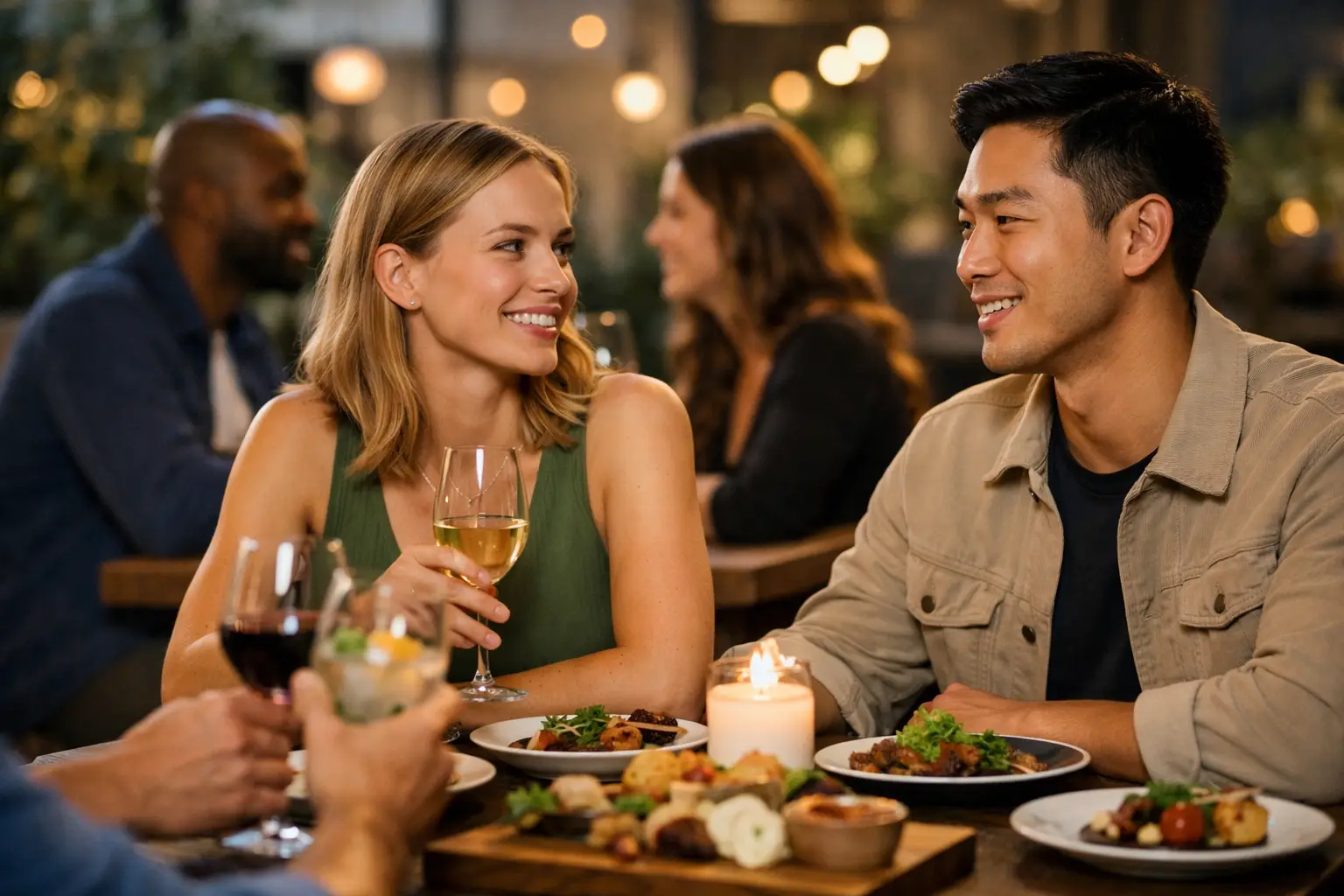
The best meals rarely begin with everyone studying a menu in silence. They start with a round of drinks, a few plates in the middle, and someone saying, “You have to try this.” That instinct is at the heart of social dining trends 2026 – and it is reshaping what guests want from a night out. The table is becoming less formal, more flexible, and far more interested in a meal that creates a little buzz.
For diners across Florida and Plano, Texas, the appeal is clear. A great restaurant should work for the after-work catch-up, the birthday toast, the date that turns into another round, and the family meal where everyone wants something different. Food still matters, of course. But in 2026, the experience around the food matters just as much.
Social Dining Trends 2026 Put Sharing First
The era of one entrée, one person, one conversation has not disappeared. Sometimes a perfectly composed plate is exactly right. But more guests are choosing meals with movement: bites passed across the table, new flavors arriving throughout the evening, and enough variety to keep the conversation going.
Shareable menus make a group meal feel less like a series of separate orders and more like one collective experience. Spanish tapas have always understood this rhythm. A crisp croqueta arrives hot. Patatas bravas bring spice and crunch. A board of jamón or cheese invites guests to linger. Then a paella lands at the table, fragrant and made to be gathered around.
This style also lowers the pressure of choosing. Instead of committing to one dish, guests can taste broadly and order as the mood develops. A table of colleagues may begin with bar bites and cocktails, then decide they are not quite ready to leave. A couple may add one more plate because the sangría is flowing and the conversation is good. Social dining gives people room to build their own night.
There is a trade-off, naturally. Sharing works best when guests communicate about preferences, allergies, and appetites before the first round lands. The strongest restaurants make that easy with thoughtful menu guidance, generous pacing, and servers who know how to help a group find its balance.
Small Plates, Bigger Variety
Variety is one of the biggest reasons social dining continues to gain ground. Diners are looking for a meal that can satisfy the vegetarian friend, the seafood enthusiast, the person who wants a satisfying steak bite, and the guest who really came for dessert and a cocktail.
Small plates make that possible without turning dinner into a compromise. They also invite discovery. A guest may arrive craving familiar flavors and leave talking about a new Spanish wine, a smoky sauce, or a dish they would not have ordered alone. That element of surprise is worth sharing – across the table and later in the group chat.
The Bar Is Back at the Center of the Room
In 2026, the bar is not merely a waiting area before dinner. It is a destination with its own energy, menu, and occasion. Guests want a place where a quick drink can become a full evening without losing momentum.
That means cocktails with character, wine lists that encourage curiosity, and food designed to hold its own alongside the glass. Sangrías remain a natural social choice because they are colorful, easy to share, and built for a group toast. Spanish wines, whether bright and crisp or rich and structured, offer another way to turn a meal into a conversation.
Happy hour is evolving, too. Value still matters, especially for professionals meeting after work, but low prices alone do not create loyalty. Guests want an atmosphere that feels lively, polished, and worth stepping into. The right playlist, a busy bar, a plate with real flavor, and hospitality that keeps the pace moving can make an ordinary Tuesday feel like an occasion.
For restaurants, this requires a careful balance. Energy is part of the appeal, but a dining room should not be so loud that a business lunch becomes a shouting match or a date night loses its intimacy. The most successful social spaces offer different moods within the same room: animated near the bar, comfortable at the table, and welcoming to every kind of gathering.
Dining Is Becoming More Occasion-Driven
Guests are increasingly choosing restaurants by the reason they are getting together, not just by the cuisine. Brunch is for catching up. Lunch is for making the workday more interesting. Paella nights are for gathering the crew. Private dining is for marking a milestone without the stress of hosting at home.
This shift favors restaurants that can move gracefully through the day. A place that delivers a strong lunch special may earn a return visit for dinner. A memorable weekend brunch can become the answer for a family celebration. An easy catering option can put the same flavors on the table for an office meeting or a game-day crowd.
The key is not trying to make every experience identical. A business lunch needs speed and comfort. A birthday dinner wants a little ceremony. A group happy hour benefits from shareable food that arrives quickly. The social dining model succeeds when it respects the specific occasion while keeping the spirit warm and celebratory.
The Return of the Long Meal
After years of rushed schedules and food ordered to go, more diners are making space for meals that unfold. Not every outing needs to last three hours, but guests are embracing the pleasure of staying for another plate, another pour, or a final sweet bite.
Spanish dining culture offers a natural blueprint. It is built around conversation, pace, and the idea that a meal can be an event in itself. The goal is not to stretch the evening for the sake of it. It is to make each stage feel worth enjoying.
That is where dishes arriving as they are prepared can create real magic. There is no single moment when the meal is “over” because every plate has landed. Instead, the table stays engaged. One bite sparks a recommendation. A shared paella becomes the centerpiece. Dessert gives the group a reason to stay a little longer.
Experience Matters, but Authenticity Holds Attention
A photogenic cocktail and a dramatic dish can earn attention. Authentic flavor is what earns the return visit. In 2026, diners are more informed and more curious about the stories behind what they eat. They want international food that feels connected to a real culinary tradition, not a generic version softened into sameness.
For Spanish cuisine, that means honoring the ingredients, techniques, and regional spirit that make the food distinct. It also means making that tradition approachable. A newcomer should feel as comfortable ordering tapas as the guest who knows exactly which wine they want with seafood.
Bulla Gastrobar brings that balance to the table with a social format rooted in Spanish flavors: shareable tapas, chef-driven paellas, handcrafted sangrías, and an atmosphere built to stimulate the appetite. The point is not to turn dinner into a lesson. It is to make Spanish dining feel generous, exciting, and easy to enjoy together.
Authenticity does not require stiffness. In fact, the most memorable cultural dining experiences are often the ones that feel alive. A server’s recommendation, the scent of a freshly prepared paella, a toast with friends, and a table full of plates do more than explain a cuisine. They let guests participate in it.
How Groups Can Make the Most of Social Dining
A little intention goes a long way when several people are ordering together. Start with a mix of familiar crowd-pleasers and one or two dishes that feel new to the table. Add drinks that can spark a toast, then leave room for the order to evolve rather than putting every decision in at once.
For a group of four or more, variety matters more than quantity at the start. Choose a few hot and cold plates, include something substantial, and let the table react before adding another round. If paella is part of the plan, make it the moment everyone can anticipate.
Hosts can also make the gathering easier by choosing a restaurant with options for different appetites and schedules. Some guests may arrive early for cocktails. Others may need a quick lunch. A flexible menu and a welcoming room keep the group from feeling boxed into one kind of experience.
The most useful rule is simple: order for the table you have, not the meal you think you are supposed to have. A date might call for a few tapas and sangría. A team celebration may call for paella, wine, and dessert. Let the occasion set the pace.
Make Room for One More Plate
The biggest social dining trend is not a new ingredient or a passing viral format. It is the renewed desire to be together in a way that feels easy, flavorful, and genuinely fun. People are choosing restaurants that give them something to talk about before they even sit down – then give them plenty of reasons to stay.
When the next plan lands in the group chat, choose the kind of table where everyone can reach for another bite, raise a glass, and leave with a story worth repeating.