


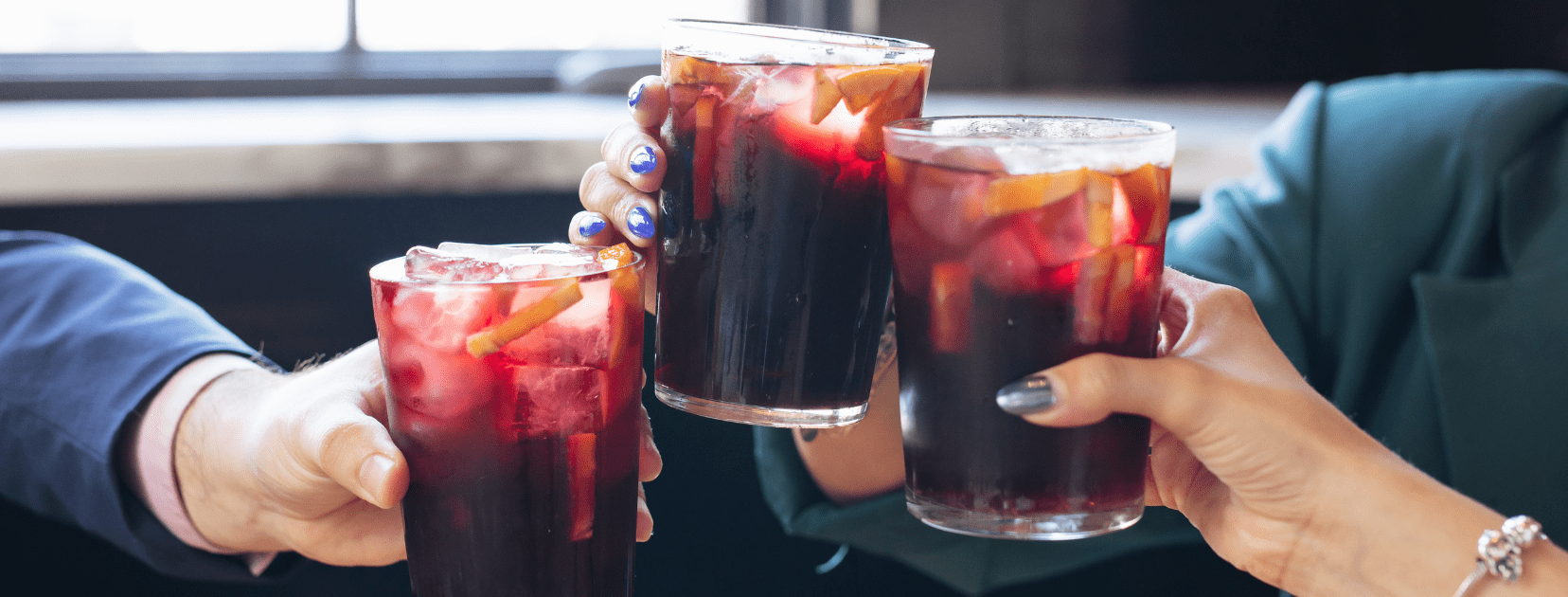
A brunch table changes the moment a pitcher lands in the middle of it. The best sangria for brunch is bright enough to wake up the palate, balanced enough for eggs and tapas, and built for passing from one person to the next. It should create a stir without stealing the show from the food, turning a long, leisurely meal into the kind of occasion that keeps the conversation buzzing.
Brunch sangria is not about piling every available fruit into a glass. It is about choosing a style that suits the time of day, the weather, and what is coming out of the kitchen. A deep red pour can be exactly right beside grilled meats and rich potatoes. A citrusy white or rosé sangria may be the move when the table is full of seafood, fresh fruit, and sunlit plans.
What Makes the Best Sangria for Brunch?
The secret is freshness, not sweetness. Sangria has to carry fruit character, but it should still taste like wine. When the juice or syrup takes over, the drink becomes heavy fast, especially alongside a full brunch spread. A good brunch sangria leads with crisp wine, ripe seasonal fruit, a measured splash of citrus, and just enough spirit or liqueur to give the finish a little spark.
Acidity matters more at brunch than it does late at night. Orange, lemon, grapefruit, and berries bring lift to the glass, helping it cut through creamy sauces, fried bites, and rich yolks. A gentle fizz can do the same job. It makes the pitcher feel festive and refreshing, particularly when Florida heat or a Texas patio calls for something cool in hand.
Then there is the ice question. Ice is essential for a cold, welcoming first pour, but an overfilled glass waters down the wine before the second round begins. A well-chilled sangria base lets the ice work as a finishing touch rather than a rescue plan.
Choose Your Sangria by the Brunch Spread
There is no single pitcher that wins every brunch. The right choice depends on the food and the mood of the table. That is part of the pleasure: sangria is social by nature, and a shared meal gives everyone a reason to compare sips, steal a taste, and find a new favorite.
Red sangria for savory, smoky brunches
Classic red sangria brings depth, dark fruit, and a touch of spice. It shines with savory dishes that have char, salt, or richness: jamón, chorizo, roasted potatoes, grilled steak, and warm tortillas with eggs. A red wine base with orange, apple, berries, and a restrained pour of brandy has enough structure to stand beside bold flavors.
The trade-off is weight. A full-bodied, heavily sweetened red sangria can feel too dense next to lighter daytime plates. For brunch, a medium-bodied Spanish red with fresh citrus is generally more inviting than something tannic or syrupy. Think lively and fruit-forward, not brooding.
White sangria for seafood, eggs, and sunshine
White sangria is often the easiest crowd-pleaser at brunch. A crisp white wine with peaches, green apple, grapes, lemon, and orange offers clean fruit flavor without overwhelming delicate dishes. It is especially good alongside shrimp, crab, lighter egg dishes, fresh salads, and creamy cheeses.
This is the pitcher to choose when the table wants something breezy but not bland. A dry or off-dry white wine keeps the finish sharp. Add a sparkling element just before serving if the gathering feels like a celebration, but do not let bubbles replace balance. The wine and fruit should still be the stars.
Rosé sangria for a colorful middle ground
Rosé sangria has the freshness of white sangria with a little more berry character and body. It is a smart choice for a mixed table, where one guest wants smoked salmon, another is ordering spicy potatoes, and someone else has declared brunch incomplete without something sweet. Strawberries, raspberries, watermelon, and orange play beautifully with a dry rosé.
Rosé also makes a visual statement without trying too hard. Its color belongs at a brunch built around good light, shared plates, and a little occasion-worthy energy. Keep it dry and citrus-led to avoid drifting into candy-like sweetness.
Sparkling sangria for a toast-worthy table
If brunch has a birthday, a reunion, or simply a group that came ready to celebrate, sparkling sangria is the right kind of extra. Start with fruit and wine, then add cava or another dry sparkling wine close to serving time. The bubbles bring lift and a crisp finish that works especially well with salty tapas, fried croquettes, and rich brunch classics.
The practical catch is timing. Make sparkling sangria too far ahead and the fizz fades. For a group gathering, prepare the chilled fruit-and-wine base first, then top each glass or pitcher with sparkling wine as the food arrives.
Let the Fruit Support the Wine
Fruit in sangria should be delicious, but it is not just decoration. Citrus peels release aromatic oils that make the glass smell as good as it tastes. Apples hold their texture, berries add color and gentle tartness, and stone fruit brings soft summer sweetness. Choose two or three fruit notes that make sense together rather than turning the pitcher into a produce drawer.
For red sangria, orange and apple are reliable foundations, with berries adding brightness. For white sangria, lemon, peach, and green apple offer clean contrast. Rosé welcomes strawberries and watermelon, while a sparkling version benefits from delicate fruit that will not cloud the glass.
Give the fruit time to mingle with the wine, but do not leave it sitting indefinitely. A few hours in the refrigerator develops flavor. Overnight can work for firmer fruit, though citrus slices may introduce bitterness if they steep too long. For the freshest result, add delicate berries and any bubbles just before serving.
Keep Sweetness in Check
The most common sangria mistake is treating sweetness as a shortcut to flavor. Brunch already brings natural sweetness to the table through pastries, fruit, French toast, and desserts. Your sangria should counter that richness with brightness, not add another sugar rush.
Taste the wine before adding anything else. If it is dry, a small amount of orange liqueur, fruit juice, or simple syrup may round it out. If the wine is already fruit-forward, citrus and fresh fruit might be all it needs. The goal is a sip that invites another bite of food.
At Bulla Gastrobar, the Spanish table is designed around that kind of back-and-forth: a cool sip, a shared plate, a new flavor, then another round of conversation. Sangria earns its place when it makes every part of the meal feel more connected.
Serve It Like a Brunch Host
A pitcher is more than a convenient format. It signals that the table is meant to share. Chill the wine and serving glasses in advance, use enough ice to keep the first round cold, and leave room for fruit instead of packing every glass to the rim. A modest garnish of citrus or fresh herbs adds aroma and color without making the drink feel overstyled.
For a smaller brunch, choose one sangria style and let the food pair around it. For a larger group, red and white together give guests a clear choice without making the menu complicated. If the spread is especially broad, rosé is often the diplomatic answer.
Watch the pace, too. Sangria can taste deceptively light, particularly when it is cold and fruit-forward. Serve water alongside it, and keep a few satisfying tapas on the table from the first pour. Good brunch is not rushed, and neither is a good glass of sangria.
The pitcher worth ordering or pouring is the one that suits your people as much as your plate. Choose bright wine, honest fruit, and a style that keeps the table reaching for one more shared bite. That is how brunch becomes a little louder, a little longer, and much more memorable.