


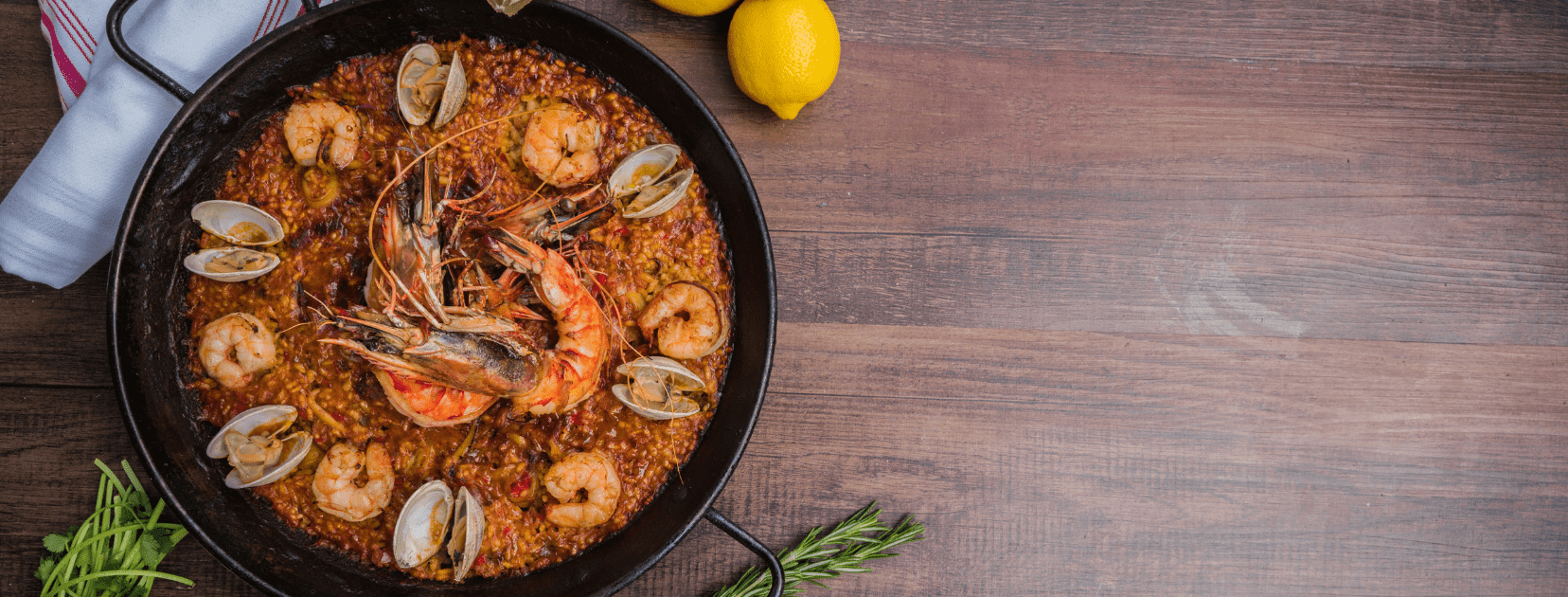
Types of Spanish paella do more than fill a pan. They set the table buzzing with saffron-scented rice, a crisp caramelized base, bright vegetables, seafood, or deeply savory meat. Paella is made to be spooned from the center and passed around. It is a celebration dish, but it is not one fixed recipe. Its personality changes with the region, the season, and who is gathering at the table.
For diners used to seeing a single “paella” on a menu, the many types of Spanish paella can be a delicious surprise. Some versions are rustic and land-based. Others lean into the Mediterranean coast. A few bend tradition in ways that are widely loved, even if they inspire lively debate in Spain. Knowing the difference makes ordering more fun and gives every shared bite a little more context.
Types of Spanish Paella: Start With the Rice
Paella takes its name from the wide, shallow pan in which it is cooked, not from one particular combination of ingredients. That pan gives the rice room to cook in a thin layer. As a result, the grains absorb flavorful broth without becoming creamy. The goal is distinct, tender rice with a little bite.
The rice matters as much as the toppings. Spanish short-grain varieties, such as bomba, are prized because they absorb generous flavor while holding their shape. Saffron often adds its golden color and floral warmth. However, paprika, tomato, garlic, rosemary, and local stock can carry just as much of the dish’s character.
Then there is the socarrat: the lightly toasted layer of rice at the bottom of the pan. It should be savory and crisp, never burnt. When a group reaches the center of a paella and starts negotiating over the last golden spoonfuls, that is usually what they are after.
Classic Types of Spanish Paella to Know
Each of these types of Spanish paella brings something different to the table, from rustic countryside flavor to coastal seafood richness.
1. Paella Valenciana
Paella Valenciana is the original reference point. It was born in the rice-growing area around Valencia on Spain’s eastern coast. This version is a land-and-garden paella, traditionally made with chicken, rabbit, green beans, large white beans called garrofó, tomato, olive oil, saffron, and sometimes rosemary. Depending on the season and household, snails may appear too.
To many Valencians, this is paella in its purest form. It is also a useful reminder that the dish did not begin as a seafood spectacle. Instead, it grew from ingredients available in the fields and countryside, cooked outdoors over a fire for family and friends.
Expect a hearty, savory profile rather than a briny one. If you love roast chicken, herbaceous rice, and the kind of meal that makes a long lunch feel like an event, Paella Valenciana is the move.
2. Seafood Paella
Seafood paella is perhaps the version most American diners picture first. It often includes shrimp, mussels, clams, squid, and sometimes fish arranged across a gleaming bed of rice. Along the Spanish coast, the exact catch changes by market, port, and season. That flexibility is part of its appeal.
A great seafood paella tastes of the sea without being overwhelmed by it. The stock should be rich and shellfish-forward, while the rice remains the center of the dish. Whole prawns and shell-on mussels create a dramatic presentation. They also bring a little hands-on pleasure to the table.
One detail worth knowing: traditional Spanish seafood paella does not automatically include chorizo. The smoky sausage is common in many American interpretations, but it can overpower delicate shellfish. Diners seeking a more classic coastal style should look for a seafood-led broth and restrained seasoning.
3. Mixed Paella
Mixed paella, or paella mixta, brings meat and seafood into the same pan. Think chicken with shrimp, mussels, squid, or other shellfish, supported by vegetables and saffron rice. It is colorful, generous, and ideal for a table where no one wants to choose just one direction.
This is also one of the types of Spanish paella most likely to spark a friendly food debate. Purists may point out that mixing land and sea is not part of the Valencian original. Yet mixed paella has become popular across Spain, especially in restaurants that welcome travelers and groups with varied appetites.
The trade-off is balance. A crowded pan can look festive but cook unevenly, and too many proteins can blur the flavors. When it is done well, though, mixed paella delivers the best kind of abundance: smoky chicken, sweet shrimp, fragrant rice, and plenty to talk about between bites.
4. Vegetable Paella
Vegetable paella proves that a pan full of rice does not need meat or seafood to create a stir. Artichokes, peppers, green beans, peas, mushrooms, tomatoes, and seasonal squash can all find a place here. In Valencia, artichokes and beans often bring a particularly satisfying earthy note.
The key is a full-flavored vegetable broth and thoughtful cooking. Vegetables release moisture at different rates, so they cannot simply be piled into the pan at once. Some need to be sautéed first for depth. Others are added later to keep their color and texture.
For vegetarians, it is worth asking how the stock is made. A paella that looks vegetable-forward may still use chicken or seafood broth. A truly vegetarian version should be built with a vegetable stock that has enough body to give the rice its signature savor.
5. Paella de Marisco and Other Coastal Variations
You may see seafood paella called paella de marisco. In many cases, the terms are used interchangeably, though menus can vary by region and restaurant. Some versions are packed with shellfish, while others feature fewer ingredients and let a deeply concentrated fish stock do the work.
Spain’s coastal rice dishes also include preparations that are not always labeled paella but belong in the same delicious conversation. Arroz a banda, from the Alicante area, is often served with seafood rice and fish separately. Arroz del senyoret features peeled seafood, making it easy to eat without working through shells.
These dishes show why “seafood paella” is a broad category rather than a strict formula. The best choice depends on whether your table wants theatrical shell-on presentation, a refined spoon-and-fork experience, or an intensely brothy rice dish with local character.
6. Black Rice and Paella-Style Dishes
Arroz negro, often called black rice, gets its dramatic color from squid ink. Squid or cuttlefish, garlic, tomato, and seafood stock build a briny, almost inky depth that is unmistakable. It may be served in a paella pan, and many diners group it with paella, though its proper name is black rice.
It is often paired with allioli, a garlicky sauce that adds creaminess and bite. The contrast of dark rice, pale sauce, and bright seafood makes it a standout for a celebratory table. If you like squid, umami-rich flavors, and a little drama, order it.
Fideuà is another close cousin worth recognizing. It is cooked in a similar wide pan and follows the same shared-table spirit, but it uses short noodles instead of rice. Calling it paella would not be quite right, yet it belongs on the same list of reasons to gather friends and order another round.
How to Choose the Best Spanish Paella for the Table
Once you understand the main types of Spanish paella, choosing the right pan becomes part of the fun. Start with the occasion. A seafood paella feels bright and celebratory with chilled Spanish wine or a citrusy cocktail. Paella Valenciana suits a relaxed dinner when the group wants something warming and rustic. Mixed paella is the easy crowd-pleaser, while vegetable paella keeps the table inclusive without treating plant-forward dining as an afterthought.
Consider appetite, too. Paella is designed for sharing, and it shines when everyone is willing to slow down for a few extra minutes. Begin with tapas, let conversation build, and make the rice the centerpiece rather than a side dish. The pan arrives when it is ready, which is exactly the point: good paella does not rush.
At Bulla Gastrobar, paella belongs where it should: in the middle of a lively table, alongside a round of tapas, sangría, and the people who make dinner worth lingering over. Choose the pan that suits your crew, claim a spoonful of socarrat if you are quick enough, and let the next shared bite decide where the night goes.
Explore the Bulla Gastrobar menu, find your nearest Bulla Gastrobar location, or make a reservation to enjoy the flavors of Spain. To learn more about the history of paella, you can also explore guides to traditional Paella Valenciana and Spanish regional cuisine.