

A great tapas catering review is not really about whether one croqueta was crisp or one pitcher of sangría was pretty. It is about the moment the room shifts: guests stop hovering by the door, plates begin circulating, someone reaches for a second helping of patatas bravas, and conversation gets louder in the best possible way. Tapas are made for that kind of gathering – relaxed, generous, and full of reasons to stay for one more bite.
For corporate lunches, milestone birthdays, engagement parties, or a Friday gathering that deserves more than a tray of sandwiches, Spanish small plates bring built-in energy. Still, not every tapas spread lands with the same flair. The difference comes down to food quality, menu balance, service style, and a plan that gives every guest something to enjoy.
Tapas Catering Review: The Details That Matter
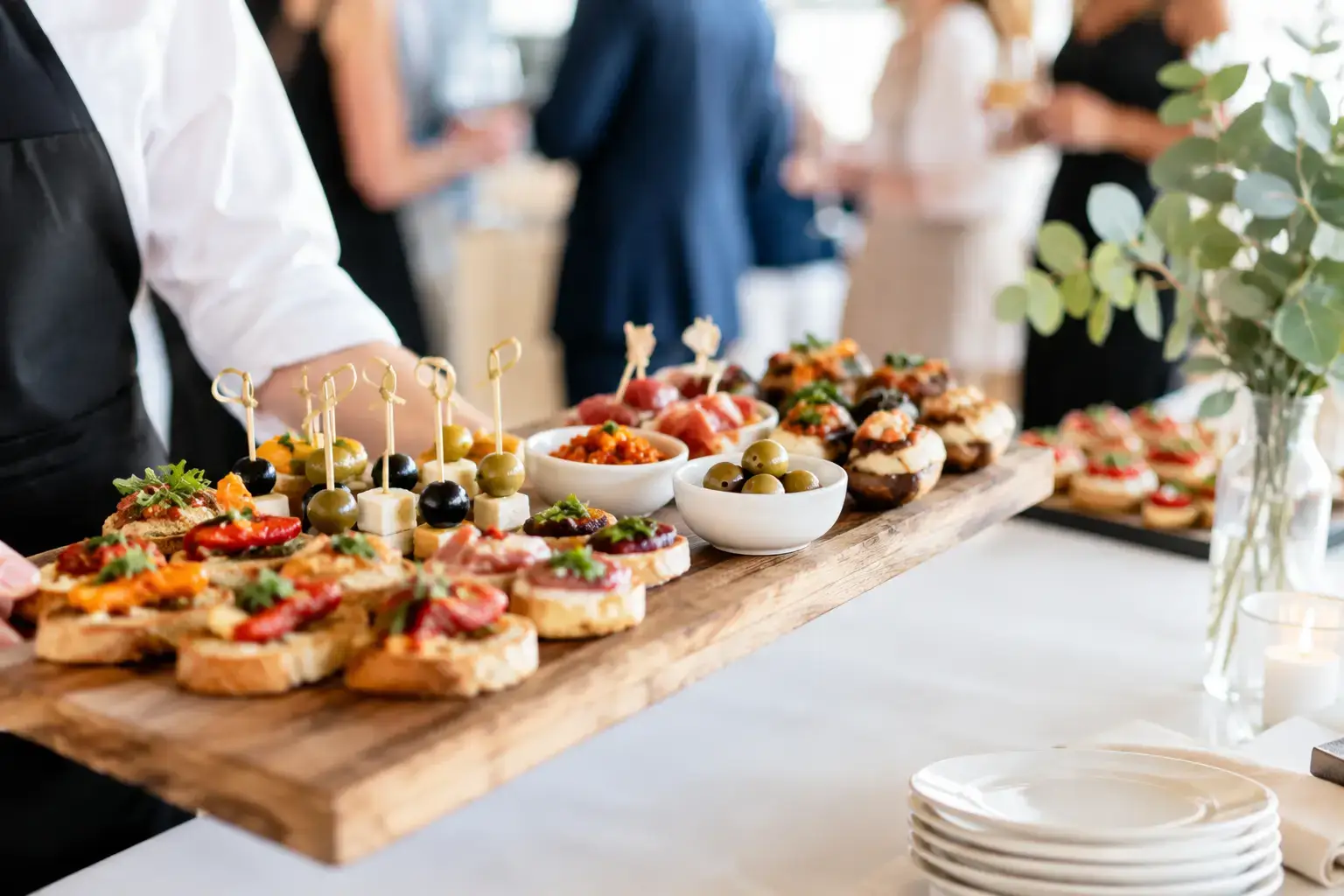
The first thing to look for is whether the menu feels like a true tapas experience rather than a collection of unrelated appetizers. Spanish dining is social by nature. A thoughtful spread should offer contrast: warm and cool dishes, crisp and creamy textures, familiar crowd-pleasers alongside something guests may not order for themselves.
Start with dishes that travel well and still arrive with personality. Croquetas should have a delicate crunch around a rich center. Patatas bravas need their punchy sauce and a satisfying bite. Albóndigas, Spanish-style meatballs, should be tender and deeply savory, while pan con tomate brings brightness and simplicity to the table. These are the plates that get passed, praised, and promptly ordered again.
Then look for a little surprise. A citrusy seafood dish, charred vegetables, a vibrant cheese board, or dates wrapped in bacon can keep the spread from feeling one-note. The best caterers understand that variety is not about offering every possible dish. It is about creating a rhythm of flavors that keeps guests curious.
Paella Changes the Center of the Table
Small plates create motion, but paella creates a moment. For larger parties, a chef-driven paella can give the meal a natural centerpiece and make the event feel more intentional. Its aroma alone does some of the hosting work before the first spoonful is served.
Paella is especially effective when guests are arriving at different times or when an event needs a clear transition from mingling to dining. It also helps with portion planning. A tapas-only menu can feel wonderfully abundant, but a paella course adds comfort and substance for guests expecting a full meal.
That said, paella is not required for every occasion. A cocktail-forward reception may be better with more handheld bites and fewer seated-dining expectations. The right format depends on the pace of the event, the guest list, and whether people will be balancing a plate while catching up with colleagues or settling in for a long family celebration.
Portion Planning Without Killing the Buzz
The most common catering misstep is ordering as if every small plate is a meal. Tapas are designed to be shared, so quantity depends heavily on what else is being served and how long the event runs.
For a lighter cocktail gathering, hosts usually need a broader selection of bite-size dishes rather than large portions of only two or three items. For lunch or dinner, add more substantial plates, including proteins, potatoes, rice, vegetables, and bread. If drinks are central to the occasion, guests will graze differently than they would at a sit-down meal, so build in enough savory food to keep the celebration lively rather than lopsided.
Dietary preferences deserve the same attention as the signature dishes. A strong tapas menu can make this easier because variety is already part of the format. Include vegetarian choices with real substance, not just an afterthought salad. Make sure gluten-conscious guests have clear options. If seafood, pork, or dairy feature prominently, balance them with alternatives so everyone can join the table without needing a separate meal.
There is also a practical point that deserves a mention: do not let the menu become too precious. Some dishes are spectacular in a restaurant dining room but lose their magic after a long drive or extended hold time. In a fair tapas catering review, food that arrives hot, crisp, colorful, and ready to share should rate higher than a more elaborate dish that needs last-minute assembly to work.
Drinks Should Match the Energy
Tapas without a good drink plan can still be delicious, but the right beverages make the occasion feel distinctly Spanish. Sangría is an easy favorite for a reason. It is festive, shareable, and welcoming for guests who may not know the menu well. Spanish wines offer plenty of range, too, from bright whites for seafood and vegetables to reds that stand up to grilled meats and richer sauces.
For an afternoon business event, nonalcoholic options should feel considered, not like a bottle of water placed at the end of the table. Sparkling citrus drinks, iced tea, and fruit-forward refreshments bring color and refreshment to the spread. For evening celebrations, a cocktail station or preselected drinks can keep the line moving and the host from playing bartender all night.
The trade-off is simple: more drink choices create more excitement, but they can complicate service and budgeting. A focused selection often feels more polished. One sangría, one or two wine styles, a beer option, and a well-made nonalcoholic choice can cover the room beautifully.
Service Style Is Part of the Flavor
Catering should make hosting easier, not turn the host into an event manager. Before placing an order, consider how food will be presented and replenished. Will guests serve themselves from a buffet? Will staff pass trays through the room? Is there enough table space for dishes, plates, napkins, and drinks without creating a traffic jam?
For a casual office lunch, labeled platters and easy serving utensils may be all that is needed. For a birthday, rehearsal dinner, or client-facing reception, staffed service can create a more polished flow. Passed tapas encourage movement and conversation, while a central buffet gives guests the freedom to build their own plates. Neither is automatically better. The choice comes down to the mood you want to create.
Timing matters just as much. Hot dishes should arrive when guests are ready for them, not 45 minutes before the first toast. Cold dishes need enough space and proper temperature control. Ask how delivery, setup, warming equipment, and cleanup will work before the day of the event. The best catering experiences feel effortless because the details were handled early.
What Makes a Tapas Caterer Worth Repeating
A memorable provider brings more than a menu. They help a host shape an occasion. That may mean recommending dishes for a mixed-age family celebration, creating a boxed lunch that still feels special, or building a corporate menu with enough variety to satisfy adventurous eaters and cautious ones at the same table.
Authenticity matters here, too. Spanish tapas are not just smaller portions. They carry a culture of sharing, pacing, and enjoying food together. At Bulla Gastrobar, that spirit is the point: dishes arrive as they are prepared, inviting guests to taste, pass, compare favorites, and create a little buzz around the table.
A thoughtful tapas catering order should leave people full, but not sleepy. It should feel abundant without being wasteful, stylish without being stiff, and generous enough that no one is left scanning the table for the last croqueta. Choose dishes with contrast, plan for the way your guests will actually gather, and let the food give the party its first good story.