

A boxed lunch can set the tone before the first agenda item begins. Choose something forgettable, and the room feels like it was fed between meetings. Choose something fresh, colorful, and thoughtfully prepared, and suddenly a client presentation, team training, or office celebration has a little more buzz. Knowing how to choose boxed lunches means balancing appetite, logistics, dietary needs, and the kind of occasion you want to create.
Start With the Moment You’re Feeding
The right boxed lunch depends on more than headcount. A working lunch during a fast-moving training session calls for easy-to-manage portions that guests can enjoy without stepping away for long. A client meeting may call for a more polished spread, with flavors that feel considered and packaging that arrives looking as good as it tastes.
Think about the energy of the event. Is this a quick noon break between back-to-back calls? A welcome lunch for a new team? A creative workshop where people will be moving around the room? Boxed lunches work especially well when everyone needs a complete meal on their own schedule, without a buffet line slowing down the day.
Timing matters, too. Lunches delivered too early can lose their freshness; lunches delivered too late can derail the agenda. Set a delivery window that gives you time to receive, count, and arrange the order before guests arrive. For larger gatherings, designate one person to meet the delivery and confirm the order. It is a small move that keeps the occasion running smoothly.
How to Choose Boxed Lunches Guests Will Actually Want
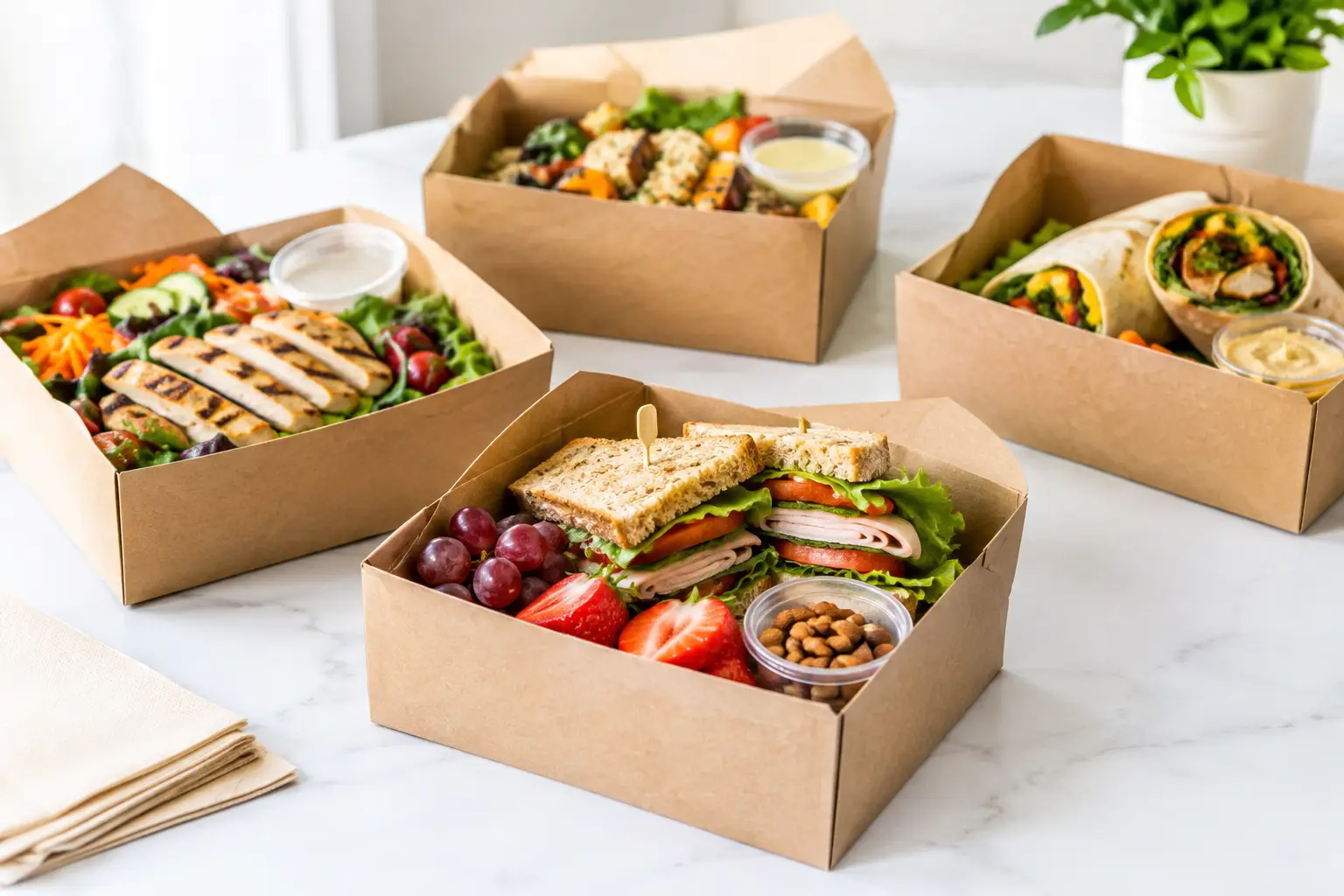
A great boxed lunch should feel like a real meal, not an afterthought in a clamshell. Start with a satisfying main item, then look for a supporting mix of sides and a little something sweet or savory that rounds out the experience. The goal is variety without excess and flavors that hold up well from kitchen to conference room.
For many groups, a mix of familiar and more distinctive choices hits the sweet spot. A turkey or chicken sandwich may be an easy yes for traditional eaters, while a Spanish-inspired option with roasted vegetables, cured meats, bright sauces, or a hearty grain salad can stimulate the appetite for guests who want something beyond the usual desk lunch.
Texture deserves attention. Crisp greens, fresh fruit, and crunchy vegetables bring life to a boxed meal, while a soft sandwich, wrap, or protein-based entrée provides comfort and staying power. Avoid menus that lean too heavily on beige, bread-heavy items unless the event is specifically casual and simple. A lunch should look inviting when the lid opens.
Portion size is another judgment call. For an afternoon meeting with snacks planned later, a lighter box may be perfect. For a long workshop or all-day event, guests need enough protein and substance to stay focused. When in doubt, choose a complete lunch with a main, a side, and a dessert or fruit component rather than trying to stretch a snack into a meal.
Match the Menu to Your Guest List
The best hosts plan for different appetites before the order is placed. Ask attendees about dietary restrictions in advance, particularly for events with clients, new hires, or guests you do not know well. It is easier to include thoughtful options from the start than to make a last-minute scramble when someone cannot eat what arrived.
Most groups benefit from a balanced menu that includes vegetarian choices and clearly identified options for common restrictions. Depending on your attendees, you may also need gluten-conscious, dairy-free, vegan, or nut-free selections. Confirm how those meals are prepared and packaged, especially when an allergy is involved. A label that says vegetarian is helpful, but it does not answer every question.
Do not make special-diet guests feel like an exception. A vegetable-forward lunch should be just as flavorful and satisfying as every other box. Think roasted seasonal vegetables, satisfying grains, beans, salads with bold dressings served on the side, or a substantial sandwich alternative. When each option feels intentional, everyone gets to take part in the meal rather than settle for a side salad.
For a group with varied tastes, offer two or three main choices instead of one. More than that can complicate ordering and create room for mix-ups. A reliable mix might include a meat-based option, a vegetarian option, and a lighter or gluten-conscious choice. Collect selections by name, then request clear labels on every box.
Keep the Logistics Deliciously Simple
Boxed lunches earn their place because they make feeding a group easier. Still, the details can make the difference between a relaxed lunch break and a table full of confusion. Confirm the minimum order, ordering deadline, delivery range, setup needs, and whether utensils, napkins, condiments, and beverages are included.
Labeling is nonnegotiable for a larger order. Each box should identify the guest’s name or meal choice, along with dietary notes where appropriate. That prevents the familiar moment when everyone opens a box to inspect it, trades lunches across the room, and turns a 30-minute break into a scavenger hunt.
Consider where people will eat. If guests are sitting at tables, a boxed lunch with a sandwich, salad, and dessert is easy to manage. If they will be standing, networking, or moving through an event space, choose items that do not require much cutting or balancing. Sauces and dressings should be portioned separately when possible so greens stay crisp and hands stay clean.
Beverages are worth planning rather than assuming. Water is always welcome, but sparkling water, iced tea, and canned beverages can give the lunch a more hosted feel. If the event calls for a celebratory finish and your setting allows it, a separate after-lunch gathering can be the moment for sangría, Spanish wine, or cocktails. Keep the boxed meal focused, then let the social part of the day create its own stir.
Set a Budget That Reflects the Occasion
A lower price per box can look appealing until you add delivery fees, beverages, tax, service items, and the cost of supplementing meals that are too light. Build your budget around the full experience, not just the listed entrée price. Ask for a clear per-person total before finalizing the order.
The event itself should guide the spend. A routine internal meeting may call for a straightforward lunch that is fresh, dependable, and easy to distribute. A pitch meeting, partner visit, or employee appreciation lunch may justify a more elevated menu with premium ingredients and a memorable dessert. Guests notice when a host has chosen food with care, even if they do not know the exact budget behind it.
You can also keep costs in check by limiting the number of entrée choices, selecting one shared beverage option, and ordering only the extras that fit the schedule. There is no need to overcomplicate a Tuesday team lunch. There is every reason to make it feel generous.
Choose a Caterer With a Point of View
A caterer’s menu tells you a lot about the meal your guests will receive. Look beyond the list of sandwich names. Are the ingredients appealing? Are there options for different dietary needs? Does the food reflect a clear culinary point of view, or could it have come from anywhere?
For an occasion that deserves more flavor than a standard office lunch, a Spanish-inspired menu brings color, warmth, and personality to the table. Bulla Gastrobar’s approach to boxed lunches can bring the spirit of shared Spanish dining into an individually packaged format, with the freshness and bold character that make a midday meal feel like an occasion.
Before placing a large order, ask practical questions about freshness, packaging, delivery timing, substitutions, and accommodations. If you are ordering for a recurring office lunch program, start with a smaller order first. You will quickly learn what your team reaches for, what travels best, and which portions fit your group.
Make the Lunch Feel Hosted
Even individually packaged meals can feel social. Arrange boxes neatly, place labels facing outward, and set up a simple beverage station nearby. If the gathering allows for it, give people a few minutes to eat without launching directly into the next slide or agenda item. Conversation tends to flow more easily when guests are not rushing through lunch.
A thoughtful boxed lunch does more than solve a scheduling problem. It gives people a pause, a little flavor, and a reason to feel looked after. Choose food that meets the practical needs of the day, then let the colors, textures, and generous details do the rest.