


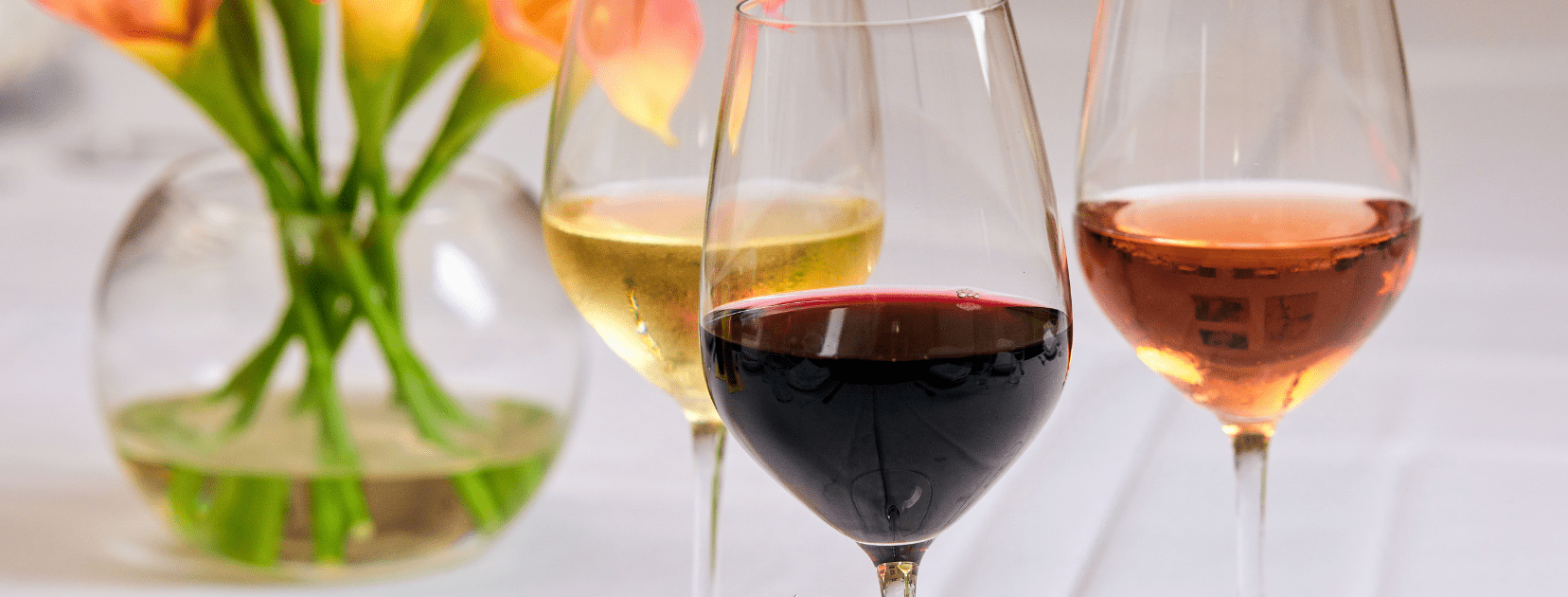
The first crisp pour of Cava, the sizzle of gambas al ajillo, the salty edge of jamón – this is where a Spanish wine pairing guide earns its place at the table. Spanish dining is made for sharing, and wine should move with the meal: bright enough for the first bite, flexible enough for the next plate, and memorable enough to keep the conversation buzzing.
There is no need to treat Spanish wine like a test. Start with the dish’s dominant flavor – salt, smoke, spice, richness, or citrus – then choose a wine that refreshes the palate or echoes what is already on the plate. A great pairing creates a little spark. A great tapas table creates a stir.
Spanish Wine Pairing Guide: Start With the Table
Unlike a traditional three-course meal, tapas arrive in waves. One moment calls for briny olives and chilled seafood; the next brings smoky potatoes, croquetas, grilled meats, or a paella with a deeply caramelized socarrat. That variety is exactly why Spanish wines shine. They offer lively acidity, food-friendly texture, and enough range to keep a shared meal moving.
For a group, begin with one bottle that works across several opening dishes rather than trying to match every plate precisely. Cava is an easy first choice. Its bubbles cut through fried foods, wake up salty snacks, and make a table feel celebratory before the first toast lands. A dry rosé can play the same role when the menu leans toward charcuterie, vegetables, and lighter grilled dishes.
As the food gets richer, bring in a still white or red. The goal is not to replace every glass with every new plate. It is to give everyone at the table something worth passing around.
The two rules that make pairings easier
Acidity is your best friend with rich, salty, or fried tapas. A bright Albariño, Verdejo, or dry Cava lifts fried croquetas, creamy cheeses, garlic-forward seafood, and salty cured meats. It keeps each bite from feeling too heavy and encourages the next one.
Intensity matters, too. Delicate fish can disappear next to a heavy, oaky red, while slow-cooked beef can make a featherlight white seem quiet. Match the wine’s weight to the dish, then leave room for contrast. A chilled, savory Manzanilla beside jamón is not a match of identical flavors, but it is a perfect meeting of salt, freshness, and appetite.
Bubbles, Sherry, and White Wine for Tapas
Spanish whites deserve a permanent place at the table, especially when the spread begins with seafood, vegetables, and salty bites. They are often citrusy, mineral-driven, and built for food rather than sipping alone.
Cava with fried tapas and salty starters
Cava’s fine bubbles and fresh finish make it one of the most versatile Spanish pours. Pair it with croquetas, patatas bravas, crispy calamari, tortilla Española, and fried artichokes. The bubbles sweep away richness, while its acidity keeps garlic aioli, spicy sauces, and salty ham in balance.
Brut Cava is the crowd-pleasing choice. If the plate is especially salty or spicy, an Extra Brut style can feel even cleaner. For a brunch table with fruit, pastries, or lighter egg dishes, a slightly fruitier Cava can be a welcome fit.
Albariño with seafood and citrus
From Galicia in northwestern Spain, Albariño is a natural partner for seafood. Think shrimp, grilled octopus, mussels, ceviche-style preparations, and fish touched with lemon or herbs. Its bright citrus character and subtle salinity feel right at home with the coast.
Albariño also handles dishes with garlic and olive oil beautifully. With gambas al ajillo, it brightens the butter-like richness of the oil without competing with the shrimp. Add crusty bread for dipping, and the pairing becomes the kind of table moment people talk about afterward.
Verdejo with vegetables, cheese, and herbs
Verdejo brings freshness with a touch more herbal character. It pairs especially well with grilled vegetables, asparagus, salads, goat cheese, and herb-laced dishes. If the tapas order includes a little of everything but stays on the lighter side, Verdejo is an easy, stylish choice.
Fino and Manzanilla with jamón and olives
Dry Sherry is one of Spain’s great food wines, and it deserves more attention beyond the cocktail list. Fino and Manzanilla are pale, dry, and lightly nutty, with a distinctive saline quality. Serve them chilled with marinated olives, almonds, anchovies, jamón ibérico, and other cured meats.
These wines are not for everyone at first sip. Their savory, almost ocean-breeze character can surprise guests who expect fruity wine. But alongside salty tapas, the pairing clicks quickly. It is sharp, complex, and unmistakably Spanish.
Rosé and Red Wine for Smoky, Savory Plates
Once grilled meats, roasted mushrooms, or heartier sauces enter the conversation, rosé and red wine take the lead. Spanish reds range from fresh and juicy to structured and oak-aged, so choosing by preparation matters more than choosing by meat alone.
A dry Spanish rosé, often made from Garnacha, is a lively bridge wine for a mixed table. It can handle charcuterie, grilled chicken, roasted peppers, tuna, pork, and dishes with a mild kick of spice. Serve it properly chilled. Rosé should feel refreshing, not merely pink.
Garnacha with chorizo and smoky spice
Garnacha is generous with ripe red-fruit flavor, gentle spice, and a soft, easygoing texture. It works with chorizo, grilled lamb, pork skewers, roasted peppers, and paprika-driven dishes. Its fruit can cool the heat of spicy sauces, while its warmth echoes smoke from the grill.
For a casual tapas night, a young Garnacha is often more useful than a heavily oaked red. It is approachable, can be served slightly cool, and will not overpower smaller plates. If the food has serious heat, avoid wines with very high alcohol. They can make spice feel hotter rather than more exciting.
Tempranillo and Rioja with rich meats
Tempranillo is Spain’s signature red grape, and Rioja is one of its most familiar homes. A younger Rioja works well with meatballs, burgers, grilled steak, and roasted pork. It typically brings cherry and plum fruit with savory notes that feel right beside paprika, char, and roasted garlic.
For a dish with deeper flavors – braised beef, lamb, or a rich mushroom preparation – choose a more mature Rioja Reserva. Its oak, dried-fruit notes, and polished tannins can stand up to slow-cooked intensity. The trade-off is that an older, more structured red may feel too serious beside delicate seafood or bright vegetable tapas. Let the food set the pace.
What to Pour With Paella
Paella asks for a wine that respects saffron, stock, olive oil, and the prized toasted rice at the bottom of the pan. The best answer depends on what is in the paella, not simply on the word paella itself.
Seafood paella loves Albariño, Godello, or dry Cava. These wines bring freshness to shrimp, mussels, calamari, and fish while complementing the saffron’s aromatic lift. A crisp white also keeps the dish from becoming too rich as the rice absorbs its savory broth.
Chicken or mixed paella is especially flexible. A fuller white such as Godello can work well, but so can a dry rosé or a lighter Tempranillo. Rosé is often the social-table winner because it moves comfortably between chicken, sausage, vegetables, and seafood without demanding that everyone choose one side.
For a paella built around rabbit, lamb, mushrooms, or bolder meats, reach for Garnacha or a medium-bodied Tempranillo. Keep the wine fresh rather than overly tannic. The rice is the center of the dish, and a massive red can flatten its subtle saffron and stock flavors.
Save Something Sweet for the Last Bite
Dessert wine should be sweeter than the dessert, or it can taste thin and sour beside the final course. Pedro Ximénez Sherry, often called PX, is dark, silky, and packed with raisin, fig, date, and molasses-like flavors. It is a natural match for chocolate, caramel, bread pudding, or vanilla ice cream.
A chilled glass of Moscatel is another lovely option with fruit-forward desserts, citrus pastries, or creamy custards. These are small-pour wines. Their richness is part of the pleasure, and a little goes a long way after a full table of tapas.
At Bulla Gastrobar, the best pairing is often the one that keeps the whole table engaged: a bright opening bottle, a red for the smoky plates, and perhaps one final sweet pour for the last shared spoonful. Trust your palate, pass the glass, and let each new dish give the night another reason to linger.