

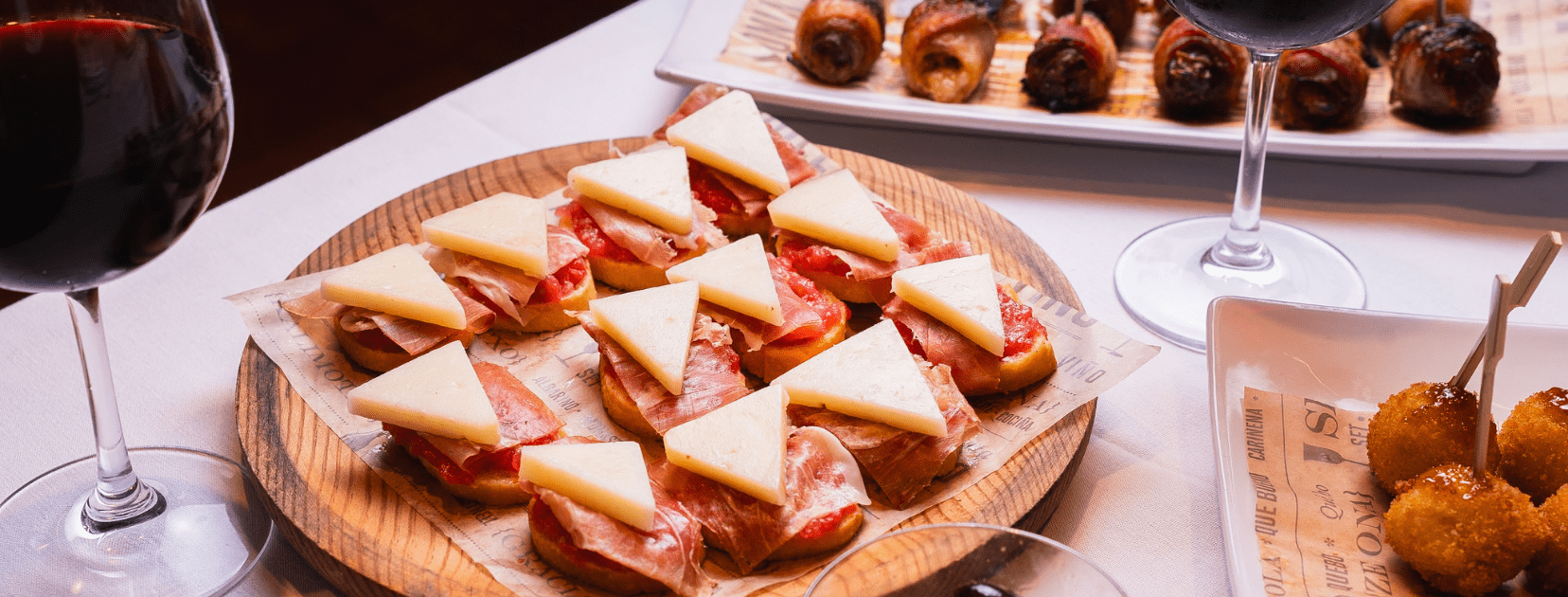
A great tapas night has a certain rhythm: glasses clink, a hot plate of croquetas lands at the table, someone reaches for one more bite of jamón, and the conversation gets louder in the best possible way. The best Spanish tapas restaurant is not simply a place with small plates on the menu. It is a place that makes sharing feel natural, Spanish flavors feel unmistakable, and every visit feel worth gathering for.
For a quick drink after work, a long lunch, a birthday table, or a date night with a little spark, tapas offer more than variety. They turn dinner into an occasion. Here is what separates a memorable Spanish gastropub from a restaurant that only borrows the name.
What Makes the Best Spanish Tapas Restaurant Stand Out
The menu respects Spanish tradition
Tapas are not one fixed list of dishes. Across Spain, they can be a bar snack, a shared first course, or an entire meal built one plate at a time. That flexibility is part of the fun, but the food should still have a clear point of view.
Look for the flavors that give Spanish cooking its character: extra-virgin olive oil, garlic, saffron, smoked paprika, sherry, Manchego, cured meats, seafood, and seasonal vegetables treated with care. Patatas bravas should bring crisp potatoes and a sauce with personality. Gambas al ajillo should arrive sizzling with garlic and olive oil. A tortilla española should be tender, satisfying, and far more than a basic egg dish.
The strongest menus balance familiar favorites with dishes that invite a little curiosity. You may come for croquetas and calamari, then find yourself ordering octopus, roasted peppers, or a rich seafood preparation you would not have chosen otherwise. That mix gives newcomers an easy place to start while keeping regulars buzzing with excitement.
Authenticity does not require every dish to be rigidly traditional. A chef can bring a fresh perspective to Spanish cuisine without losing the flavors and techniques that make it Spanish. The test is simple: does the menu feel thoughtful, rooted, and delicious, or could it belong to any generic Mediterranean restaurant?
Paella is treated like the main event
If paella is on the menu, it deserves attention. This is one of Spain’s most celebratory dishes, made for lingering at the table and sharing the last caramelized bites of rice from the pan.
A restaurant serious about paella will make it to order, give it the time it needs, and serve it with a rice texture that is tender rather than mushy. Depending on the style, you may find seafood, chicken, vegetables, chorizo, or a combination of ingredients layered over saffron-scented rice. The prized socarrat, the lightly toasted rice at the bottom of the pan, is often a sign that the kitchen knows what it is doing.
There is a trade-off worth appreciating: a properly prepared paella may take longer than a quick appetizer. That is not a flaw. Order a few tapas, pour the sangría, and let the anticipation do its job. A meal that unfolds in courses creates room for stories, toasts, and a second round.
The drinks belong at the table
Tapas and drinks are partners, not separate assignments. A lively Spanish restaurant should offer more than a standard wine list and a few cocktails with Spanish names. Think bright, fruit-forward sangrías, Spanish reds and whites, crisp cava, sherry, and handcrafted cocktails that can hold their own beside bold flavors.
The right pairing depends on the table. Cava brings bubbles and acidity to fried tapas, salty ham, and seafood. A fresh Albariño works beautifully with shrimp and grilled fish. Rioja can meet the deeper flavors of lamb, pork, mushrooms, and aged cheese. Sangría keeps the mood easy and social, especially when the group wants a pitcher in the middle of the table.
A good bar program also makes the restaurant useful across more occasions. You can stop in for bar tapas and a cocktail, meet colleagues for happy hour, or settle into dinner without having to change the plan. That all-day energy is part of what makes Spanish dining feel so welcoming.
The Best Spanish Tapas Restaurant Feels Social, Not Stuffy
A tapas meal is designed to move. Dishes arrive as they are ready, plates are passed around, and the table keeps changing. One person finds a favorite. Another orders a second round. Suddenly, what began as drinks becomes dinner.
That is why atmosphere matters as much as the menu. The room should feel polished but relaxed, with enough energy for celebration and enough comfort for a real conversation. Great hospitality is attentive without interrupting the flow. Staff should be ready to explain a dish, suggest how much to order, and guide guests who are new to tapas without making anyone feel like they need a lesson first.
For groups, this format solves a familiar problem: no one has to commit to just one entrée. A table can build its own feast around vegetables, seafood, meat, cheese, and rice, with room for different appetites and preferences. Families can share familiar bites alongside new flavors. Friends can make an evening of it. Corporate hosts can keep a business dinner engaging instead of overly formal.
At Bulla Gastrobar, that social spirit meets an authentic Spanish focus recognized with the Restaurants from Spain quality seal. The result is a table built for tasting, talking, and creating a stir over another round of tapas.
How to Order Tapas for Your Table
The most satisfying approach is to start broad and pace yourself. Begin with two or three dishes that are easy to share, such as croquetas, a cheese board, patatas bravas, or a vegetable tapa. Add a seafood dish and something richer, then decide whether paella is the centerpiece or whether you want to keep sampling smaller plates.
For two people, five or six tapas can make a generous meal, depending on the dishes and whether you add paella or dessert. For a group, order a first wave, then let the table respond. This is better than placing one giant order before anyone has tasted a thing. You can always bring back the dish that disappeared first.
Balance is the secret. Pair crispy with saucy, lighter seafood with deeper meat dishes, and bright citrus or herb flavors with warm, smoky ones. If your table includes adventurous eaters and cautious ones, order a few familiar crowd-pleasers before adding a bolder choice. Everyone gets an easy first bite, and the meal still has room for surprise.
Brunch, lunch, or late-night tapas?
The best setting depends on the occasion. Brunch is ideal when you want a celebratory daytime table with sparkling drinks, savory plates, and a reason to stretch the weekend a little longer. Lunch specials can bring Spanish flavor into the workday without turning the afternoon into a marathon.
Happy hour is made for a quick reset: a few tapas, a glass of wine, and a seat at the bar before heading home. Dinner is where paella, sangría, and a fuller spread can take center stage. For birthdays, engagement celebrations, team gatherings, and family milestones, private dining or a larger reservation gives the group room to settle in and make the night their own.
Questions Worth Asking Before You Go
A restaurant does not need a huge menu to offer a great tapas experience, but it should have enough range to build a complete meal. Check whether there are vegetarian options, seafood choices, and dishes for guests who prefer heartier flavors. If paella is a priority, ask about serving size and preparation time, especially for a larger group.
It also helps to consider the energy you want. Some nights call for a quieter corner and a bottle of Spanish wine. Others need a vibrant bar, a round of sangría, and dishes arriving fast enough to keep the table animated. Neither is better. The best choice is the one that fits the people and the moment.
When you find a Spanish tapas restaurant where the food has real roots, the drinks encourage another toast, and the room makes everyone want to stay for one more plate, make the reservation. Bring people who like to share, order with a little curiosity, and leave space on the table for the dish you did not know you needed.