

A birthday toast gets louder, a client conversation needs more focus, and a rehearsal dinner calls for room to pass paella and stories around the table. That is where the private room versus banquet decision starts to matter. Both can turn a gathering into an occasion, but they create very different rhythms for your guests, your menu, and the way the celebration feels from the first sangría pour to the final churro.
At a Spanish tapas restaurant, the choice is more than square footage. It shapes how people mingle, how dishes circulate, and whether the event feels like an intimate dinner party or a full-volume fiesta. The right setting depends on what you want your guests to remember.
Private Room Versus Banquet: Start With the Mood
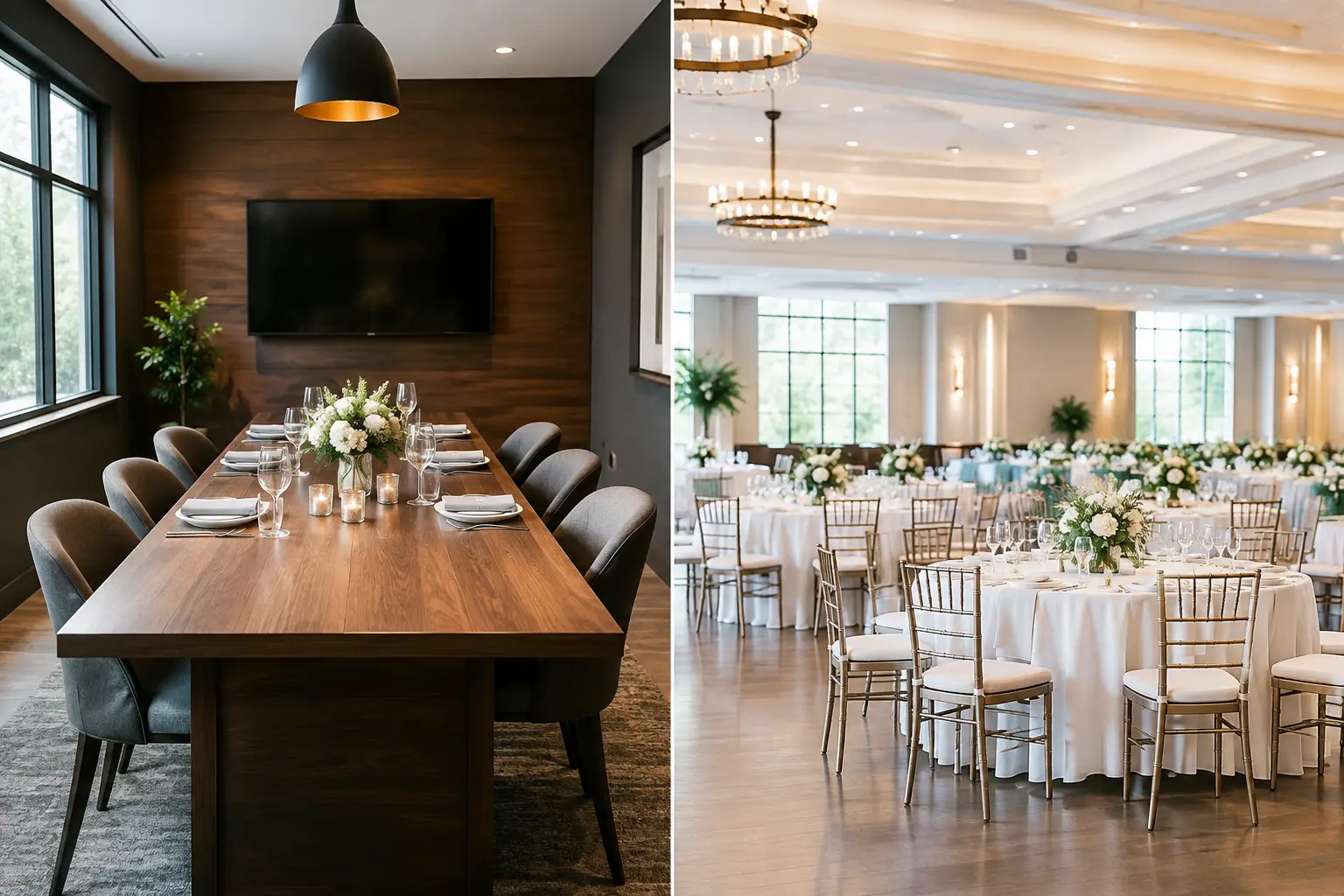
A private room is built for connection without interruption. It gives your group a dedicated setting where conversation can settle in, presentations can be heard, and personal moments do not have to compete with the energy of the dining room. For a team dinner, an engagement celebration, a milestone birthday, or a family gathering with multiple generations, that privacy can make a meaningful difference.
It does not have to mean quiet or formal. A well-planned private dinner can still create a stir with rounds of tapas, bright cocktails, and paella arriving at the table with plenty of fanfare. The difference is that your group sets the pace. Guests can toast, tell stories, and linger over their favorite plates without feeling swept into the movement of the restaurant around them.
A banquet setup brings a more expansive kind of energy. Think long tables, a larger guest count, a room arranged for a wedding-adjacent celebration, or a company gathering where people are expected to circulate. Banquet-style events feel communal by nature. They invite guests to look up, pass plates, meet someone new, and become part of one big table.
Neither choice is automatically more festive. A private room can buzz with excitement when the guest list is tight and the food is flowing. A banquet can feel surprisingly personal when the seating plan, menu, and welcome moments are thoughtfully arranged. The question is whether your occasion needs privacy or scale to shine.
When a Private Room Makes Sense
Choose a private room when the people in the room are the main event. This is especially true when your guests need to hear one another easily, whether you are hosting a leadership lunch, a client dinner, a retirement celebration, or a reunion with friends who have plenty of catching up to do.
Privacy also works well when there is a program. A brief welcome, a slideshow, a speech, a gift presentation, or a thank-you toast lands better when there is no competing bar crowd or neighboring party. If your host needs to guide the evening, a dedicated room gives the event a natural center.
For food, private rooms are ideal for a paced, shared experience. Guests can settle in with a few opening bites, then enjoy a progression of hot and cold tapas before a centerpiece paella arrives. This structure suits groups that want to savor the menu rather than rush through a meal. It also gives hosts more control over dietary requests, timing, and the balance of food and drinks.
There is a trade-off. A private room can feel less spontaneous for guests who love the charge of a lively restaurant. If your group wants to drift toward the bar after dinner, mix with a wider crowd, or turn the event into a late-night social outing, full separation may not be the best fit. Ask whether privacy supports the purpose of the gathering or accidentally contains it.
When a Banquet Delivers More Bulla
A banquet is often the better call when your guest list is growing, your celebration has a high-social feel, or you want the room to look and feel abundant. It suits anniversary parties, large family celebrations, holiday gatherings, wedding-related events, and corporate functions where teams from different departments can mingle.
The banquet format pairs naturally with Spanish dining because the food already encourages participation. Shared patatas bravas, croquetas, grilled vegetables, charcuterie, seafood, and paella give the table something to talk about. Instead of ordering a single individual entrée and waiting politely, guests can sample, pass, compare favorites, and go back for another bite. That movement creates conversation without forcing it.
Banquet arrangements also give hosts more freedom with layout. Long communal tables can make a group feel united. Rounds can support easier conversation among smaller clusters. A reception-style arrangement can prioritize cocktails and mingling before dinner begins. For an event with a few must-invite colleagues, friends, or relatives who may not all know each other, this flexibility helps break up the usual social circles.
The trade-off is control. The larger the gathering, the more important it is to plan the guest flow, meal timing, and seating. A banquet atmosphere can be full of life, but it can also become noisy if every detail is left loose. A welcome drink, a clear start time for food, and a designated moment for remarks can keep the energy polished rather than chaotic.
Consider the Guest Count, Not Just the Headcount
Two groups of 30 can need entirely different settings. A 30-person executive dinner may work best in a private room where everyone can focus on a host’s remarks and sit down for a composed meal. A 30-person birthday group may want a banquet arrangement with room for friends to move between seats, order cocktails, and make the night feel bigger than a standard dinner reservation.
Consider how your guests know one another. A close-knit family may enjoy one long table and the easy passing of tapas. A professional group with clients or new team members may benefit from smaller tables and a little structure. If the guest list includes both extroverts ready to celebrate and quieter guests who value conversation, a semi-private banquet space can offer a smart middle ground.
Timing matters, too. A daytime business lunch has different needs from a Saturday-night celebration. Lunch guests may appreciate a more contained environment and efficient pacing. Evening groups often want the lively backdrop, cocktails, and celebratory momentum that a banquet-style event can support.
Let the Menu Help You Choose
The menu should not be an afterthought. It is one of the clearest clues to whether your event should feel intimate or communal.
A private room works beautifully for a curated meal with courses or preselected shared plates. This approach makes hosting simpler because the kitchen can send out a thoughtful progression of flavors while guests stay engaged at the table. Add Spanish wine pairings or sangría service, and the evening gains a sense of occasion without becoming stiff.
A banquet can support a larger-format feast. Paella is a natural focal point, especially when guests can see the scale of the dish and share in the moment it reaches the table. Pair it with a generous spread of tapas, and the food becomes part of the room’s visual energy. It is a format that stimulates the appetite before the first plate is passed.
For either option, be honest about your group’s dining style. Guests who enjoy trying everything will thrive with a shareable menu. Guests with many dietary needs may need more individual choice or a carefully planned selection. The strongest event menus offer variety without overwhelming the table or leaving anyone wondering what they can enjoy.
Questions to Settle Before You Book
Before choosing a private room or banquet arrangement, decide whether you need a place for speeches, whether guests will arrive all at once, and how late you expect the gathering to continue. Think through the moments that matter: the first welcome, the first round of drinks, the main food reveal, and the final toast.
It also helps to set a clear budget per guest early. That makes it easier to choose between a plated-style structure, shared tapas packages, beverage options, and add-ons such as dessert or a sparkling toast. A defined plan does not make the party less fun. It gives the host more freedom to be present once the celebration begins.
At Bulla Gastrobar, an event is at its best when the room, the menu, and the guest list all pull in the same direction. Choose the setting that gives your people permission to do what they came to do: connect, celebrate, and leave with a new favorite dish to talk about.