

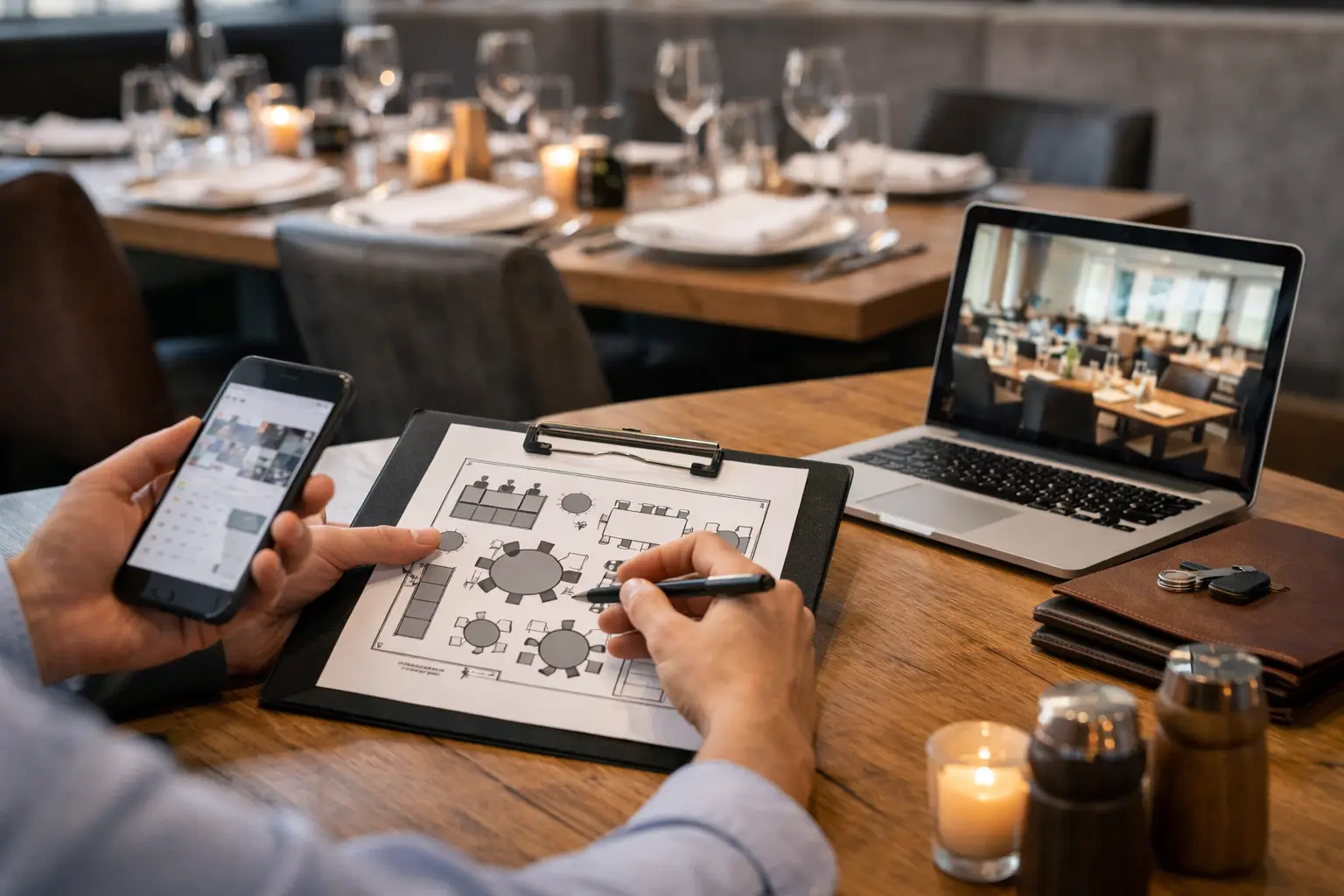
A group dinner should begin with the first round of sangría, not a flurry of texts asking, “Do they have room for 14?” Knowing how to reserve group tables means giving the restaurant enough detail to set the scene for your celebration, business lunch, birthday toast, or long-overdue reunion. A little planning helps everyone settle in, pass the plates, and get straight to the good part.
Start With a Realistic Head Count
Before you make the reservation, ask for firm yeses. A group of eight that grows to 14 on the morning of dinner can change everything from table placement to service pacing. Restaurants can often accommodate a reasonable adjustment, but they need time to prepare the right space and team.
Set a response deadline a few days before the meal, then reserve for the confirmed number. If a few people are still on the fence, tell the restaurant your current count and the highest likely total. It is far easier to release a couple of seats than to create them during a busy Friday night.
For a celebration, consider the rhythm of the evening as well as the guest count. A compact group may be happy at one long table. A larger party may be more comfortable across connected tables, particularly if guests want room for shared dishes, drinks, gifts, or a cake. The goal is not simply to fit everyone in. It is to make conversation and service feel natural.
How to Reserve Group Tables With the Right Details
A reservation request works best when it answers the questions the restaurant would otherwise need to ask. Share the date, preferred time, guest count, occasion, and any timing needs upfront. Mention whether your group is gathering for a birthday, client lunch, family meal, engagement toast, or after-work get-together. That context helps the host team guide you toward the most fitting arrangement.
It also helps to be direct about accessibility needs, high chairs, dietary restrictions, and whether any guests require extra room. If your party includes someone who needs wheelchair access, a stroller, or a quieter seat, say so while booking rather than hoping it can be sorted out at arrival.
For a tapas-style meal, tell the restaurant if your group wants a more social, lingering experience or needs a prompt meal before a show, meeting, or game. These occasions call for different pacing. A relaxed dinner can unfold course by course, while a time-sensitive group may benefit from preselected dishes or an agreed service schedule.
Ask Whether a Standard Reservation Is the Best Fit
Not every large-party meal needs a private room, and not every gathering fits neatly into a standard dining reservation. The best option depends on size, timing, budget, and how much structure you want.
A standard group table is often ideal for a casual birthday dinner, a family gathering, or colleagues meeting after work. It keeps the energy of the dining room close and makes it easy for guests to order naturally. For a hosted corporate dinner, a milestone celebration, or a party that needs speeches, signage, a set menu, or dedicated space, private or semi-private dining may make more sense.
Ask what the restaurant offers for your party size. Some locations have minimum spends, deposits, time limits, or food-and-beverage packages for larger groups. These are not obstacles. They are the practical details that allow the restaurant to staff appropriately, reserve the space, and deliver a smooth experience.
Choose a Time That Matches Your Occasion
The most popular dining windows fill quickly, especially on weekends, holidays, and during brunch. If your date is flexible, an earlier dinner, later evening table, weekday lunch, or Sunday gathering can offer more choice and a more relaxed pace.
For business groups, lunch can be a smart move. Guests are more likely to have predictable schedules, and a preplanned menu can keep the meal focused without feeling rushed. For social groups, a later reservation may suit a more festive mood, with cocktails, lively conversation, and a longer run of shareable plates.
Be honest about your arrival plan. If the group is coming from an office, hotel, theater, or event venue, build in travel time. Restaurants generally seat complete parties or as many guests as possible when the table is ready, but a delayed group can shorten its own dining window. Encourage guests to arrive 10 to 15 minutes early, especially if the reservation involves a host check-in, bar gathering, or special requests.
Plan the Food Around Sharing, Not Separate Orders
Group dining shines when the menu invites the table into the experience. Spanish tapas are made for this: a spread of hot and cold plates, vegetables, seafood, meats, and paella gives guests plenty to taste and plenty to talk about.
Still, sharing works best with a little direction. Ask in advance whether the restaurant recommends a set menu, family-style arrangement, or preselected starters for your party size. A group that orders entirely on the spot has more flexibility, but it can take longer and make splitting the check more complicated. A planned selection creates a stronger flow and ensures the first dishes arrive quickly.
For larger groups, variety matters. Build in a mix of familiar crowd-pleasers and a few conversation-starting dishes. Include vegetarian choices and flag serious allergies clearly. If paella is part of the plan, confirm lead time, serving size, and whether it should be ordered ahead. It is a centerpiece dish, and it deserves its moment at the table.
At Bulla Gastrobar, that communal rhythm is part of the point: dishes arrive as they are prepared, encouraging guests to taste, pass, compare favorites, and order another round when the table is buzzing. For a group, that style feels less like a formal program and more like a lively Spanish gathering.
Set Expectations for Drinks and the Check
A clear plan for beverages prevents awkwardness later. Decide whether the host is treating the table, covering selected items, offering a set drink package where available, or asking each guest to pay their share. You do not need to announce every detail with ceremony, but guests appreciate knowing the plan before the final check arrives.
The same goes for payment. Many restaurants can split a check in reasonable ways, but policies vary, and a party of 12 with 12 separate payments takes time at the end of a busy service. If individual payment is essential, ask about the policy when reserving. For hosted gatherings, one card or a few designated payers usually keeps departure easy.
Do not forget gratuity. Larger parties may have an automatic service charge or gratuity policy, particularly for reserved events. Review it before dinner so you understand the total and can plan your budget with confidence.
Confirm, Then Let the Restaurant Do Its Part
A few days before the reservation, confirm the final head count, arrival time, and any menu or seating details. This is the moment to mention a last-minute dietary need or let the restaurant know if the guest of honor will arrive late. It is also a good time to confirm cancellation terms, deposit details, and the best point of contact on the day.
After that, resist the urge to keep changing the plan. A well-prepared restaurant team can handle a lively group with ease when the key details are settled. Your job is to bring guests who are ready to eat, sip, and enjoy one another.
The best group tables do more than hold a crowd. They create room for one more story, one more shared plate, and one more toast worth lingering over.